


- What we do in Life, Echos in Eternity
- Što radimo u životu odzvanja u vječnosti
- Amit ebben az életben teszünk, az visszhangzik az örökkévalóságban
- Was wir im Leben tun Echos in der Ewigkeit
- Ce que nous faisons dans la vie résonne dans l'éternité
- Lo que hacemos en vida se refleja en la eternidad
- To, co děláme v životě se ozývá ve věčnosti
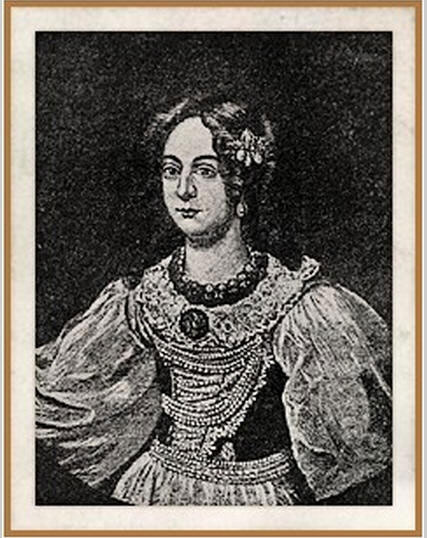
Jelena Šubić died c 1378 was a Croatian Kneginja
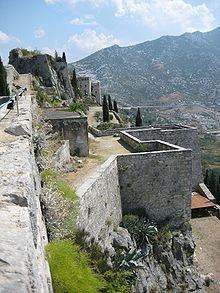
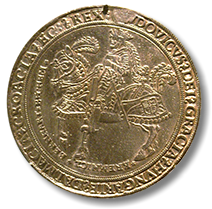
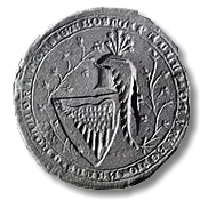
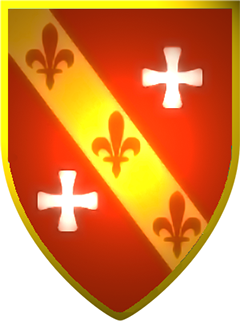
The castle was first mentioned in the 13th century as a fortress ruled by the Babonić clan. Between 1328 and 1347, it was possessed by the members of Iločki family. In 1347, King Louis I the Great bestowed the fortress to the noble Šubić family who then changed their family name after it, becoming the Zrinski. It remained in their possession until the Ottoman invasion and conquest of the region, which led to the fortress falling to them on 20 October 1577. It wasn't until 1718 that the castle was retaken from the Ottomans.
The castle was first mentioned in the 13th century as a fortress ruled by the Babonićclan. Between 1328 and 1347, it was possessed by the members of Iločki family. In 1347, King Louis I the Great bestowed the fortress to the noble Šubić family who then changed their family name after it, becoming the Zrinski. It remained in their possession until the Ottoman invasion and conquest of the region, which led to the fortress falling to them on 20 October 1577. It wasn't until 1718 that the castle was retaken from the Ottomans.
Among the many notable personalities of the family, there were a few women. Katarina Zrinska (1625–1673), a noted poet, was born in the Frankopan family, and, having married Petar Zrinski, became the member of the Zrinskis. Her daughter, Jelena Zrinska, was the wife of Francis I. Rákóczi, the prince of Transylvania.
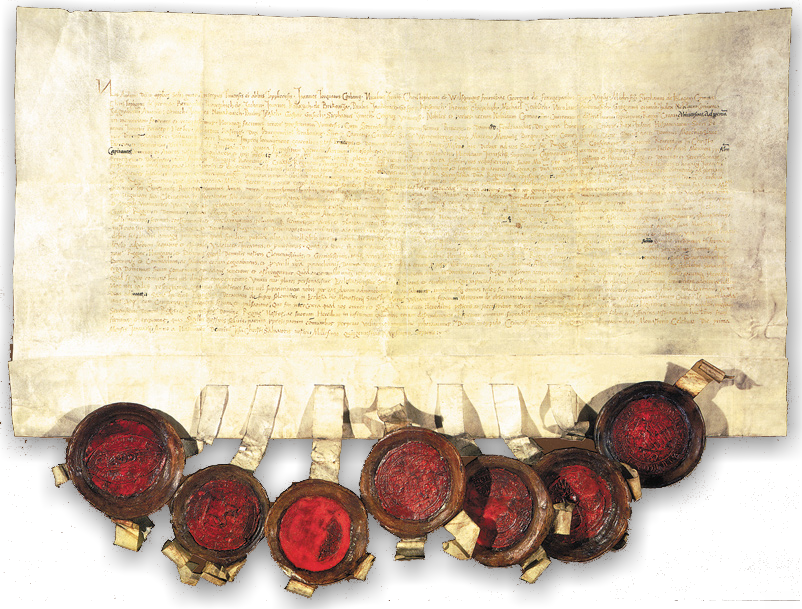

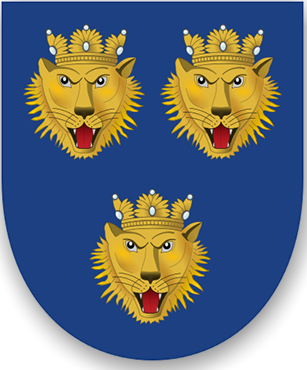
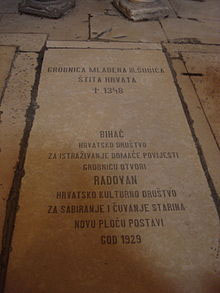
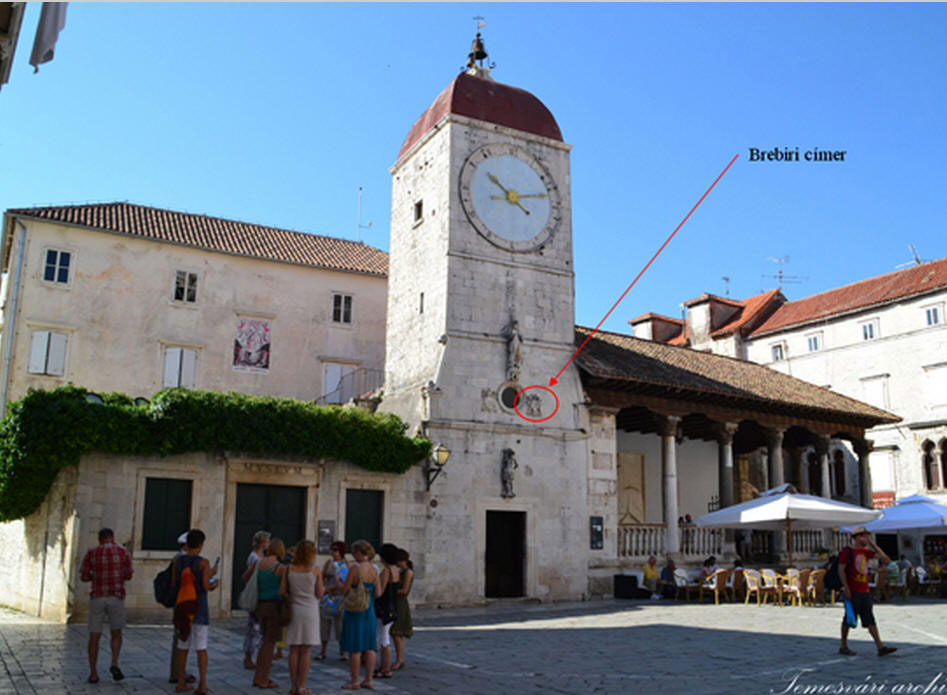
Brebiri III. Mladen
Egy majdnem Zrínyi ős nyomában
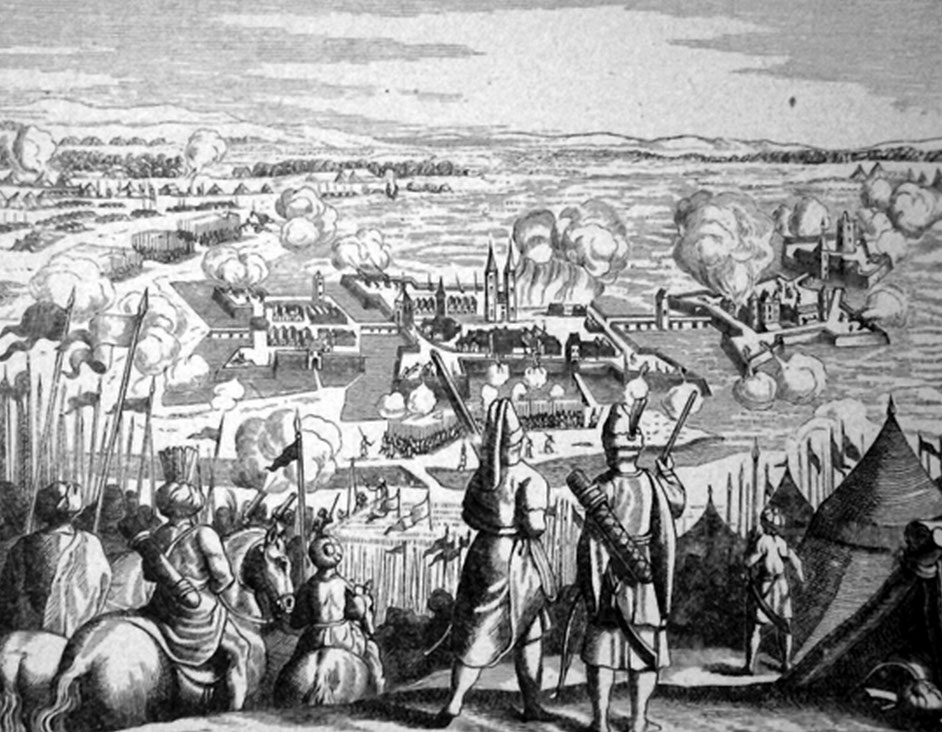
Nikola Šubić Zrinski
– chorwacki Leonidas, Szigetvár
Nikola Šubić Zrinski Ivana
pl. Zajca, u aranžmanu Tomislava Uhlika
The History of Medieval Armor
The term "Medieval" Generally signifies the ten century period spanning the 5th through 16th centuries. And for the most part this is what this look at medieval armor will focus on. But, in order to understand how armor developed over these centuries I will also give you some background information on armor as it leads up to that period.
Factors of Medieval Armor development
Armor changed, evolved and improved over the medieval period and there are a few factors that had a tremendous impact on this evolution.
- The development of different types, and more effective weapons: Weapons such as swords, spears, daggers and polearms all changed over the centuries, in part to achieve effectiveness against armor. The longbow and crossbow were very effective against varying armor types and new armor had to be developed to counter these weapons. This changing and evolving between weapons and armor were what could be called an arms race - weapons would improve then armor would improve then weapons had to improve and so on.
- Developments in metal working skills - as we moved out of the bronze age and into the iron age the new ways of working with metals made stronger armor and gave armies technologies to make more effective armor.
- Changing philosophies and cultures - these things also had a big impact on how armor changed.
- Gunpowder eventually put an end to armor.
Armor before the Medieval Period
There are two major lines of armor that lead up to the armor in Europe through the Medieval Period. The first line is the classical line that came out of the Mycenaean (Alexander the Great), Greek and Roman traditions. The major materials that armor was made from included Bronze and Iron.
The second line came out of the Celtic and Teutonic people. This is called the Barbarian armor line. The armor made in this line was predominantly leather and mail.
The dominance of Chainmail through most of the medieval period
 Ring Mail armor Out of all the various armor types chain mail (also known as ring mail) was the most successful and it lasted the longest. Earliest versions of this type of armor date back to the first century and this mail was in use in different variations all the way through the medieval period and beyond to the 17 th century. It was called chain mail or ring mail because it was made of a series of small rings that were interlocked together. This means of assembly was very effective against slicing and stabbing weapons and normal arrows. It was also very complex to make and a chainmail chest piece (often called a hauberk) could be composed of thousands of these little rings.(The picture shows a knight in complete chainmail with a surcoat over it)
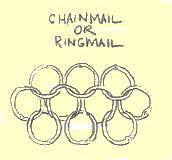 Chain Mail - It was in use in various forms throughout the whole medieval period in a variety of capacities. For many centuries is was very effective. But the brunt of its effectiveness was against slashing weapons. The rings that composed the mail were effective at defeating slashing weapons but were not effective against the brunt force blow of weapons such as hammers and maces.
Want to watch a video on how to make chainmail? I have one on my youtube channel here. How to Make Chainmail?
Over the centuries of the medieval period this deficiency was minimized by added a variety of other materials either under or over the chain mail hauberk. These could be a leather jerkin or padded gambeson under the mail or a coat or plates and a surcoat over the mail. This could get very cumbersome and while adding extra layers of padding and protection could reduce concussive damage it still didn't keep pace with the development of weapons.
In the 13 th century the mail become less and less effective, particularly because of the use of crossbows and better weapons. Armorers moved in the direction of adding various pieces of plate either under the mail or over the mail. These were just parts like chest plates or elbow guards. This was a move toward plate armor.
A development in armor was the coat of plates which lasted roughly through the 14th century.
After 1350 the use of solid breastplates came into more use. They were typically made of a solid plate in the front and a solid plate in the back called a backplate. Iron breastplates appeared as early as 1190.
The Transition to Plate Mail
Mail armor with some plate pieces. The most important development after the common use of the breastplate was the addition of more plate armor on various body parts. These included vambraces over the arms, greaves for the lower legs and various other partial plates for shoulders, elbows and knees. (Drawing shows this transition with full mail armor and the addition of some plate armor on arms and legs)
Eventually these all evolved into the complete set of plate armor that we think of when we think of a knight in armor. In this armor every part of a knight's body was covered with plate armor. And these developments of additional protection also had sub developments. A good example of this is the demi-greaves which covered only the front part of the lower leg. These developed into closed greaves which went all the way around the lower leg.
The 15 th Century as the zenith of Platemail suits of Armor
Plate armor The 15th century was the pinnacle of medieval armor and it all revolved around the knights complete set of plate armor. In the beginning of the century the art and craft of making complete plate armor sets developed into two different schools: The Italian and the German. Toward the end of the 15th century and beginning of the 16th century these two schools diverged into what is considered to be the pinnacle of armor making: The Maximilian.
It is during this century that armor also morphed into three different types of armors - Field armor (for Battle) , Ceremonial armor (for ceremonies and good looks) and jousting armor for the knightly competitions. Each type of armor was specifically designed for its use. Battle armor was designed for maximum mobility with optimal protection, ceremonial armor was made to look great and to impress. It was often detailed with gold and silver. And Jousting armor was designed for the specific requirements of the joust which might include an overly large and strong pauldron to deflect an enemy's lance or special braces to support the weight of one's own lance.
Medieval Helmets - Helmets also underwent many changes during the medieval period and a lot of this was influenced by the ability to work with metal and better understanding of what protected better in combat.
Early helmets were typically flat and they developed toward more round and curved in shape because a curved shape would deflect a blow rather than take the full brunt. And in the latest periods the helmets were multiple pieces riveted together and had moving parts like a visor.
Shields - These also changed as other components of armor and weapons changed. In the early centuries of the medieval period they were large and round. As the centuries progressed the got smaller and triangular in shape. I have more information about medieval shields and how they developed and changed here: The Medieval Shield
Metal Working skills throughout the medieval period
The early armor was made with leather, iron, bronze or other hard materials. Steel was developed but only saw limited use because it was difficult to make and tended to be brittle. In the later centuries techniques were developed so plates of armor had carbon added to just the outer surfaces of them. This created a very hard outer surface yet with the softer inner surface of iron there was still some flexibility.
History of Medieval Armor Timeline
Up to 5th century: Two varying armor types:
Barbarian armor which was mostly leather and chainmail;
and classical armor which was brass and iron
From 5th through the 14 th Chainmail was standard and still lasted in part until the 17th
12th century: various materials were added to supplement the
chainmail chest piece including the gambeson
13th/14th century: the strength and protection of the chainmail was enhanced
by the addition of various plates. The coat of plates was regularly used.
14th century: The plate chest armor was expanded upon by applying plate
to other parts of the body like greaves for the legs and vambraces for the arms.
15th century: The height of Plate mail armor sets with two different schools:
the Italian and the german.
15th century: Plate armor came in three different types by function:
Battle armor, ceremonial armor and tournament armor. Each was specifically designed for its purpose.
end of 15th century: The two schools of armor making merged into what some
consider to be the pinnacle of armor set styles: The Maximillian.